Pay in installments of $7.21 with
 ,
,
 and
and

Shipping Estimate
USA
- USA
- CAN
- USA
- CAN
Ships within 48 hours · Estimated delivery Jul 5 - Jul 10
 Promo Codes Available:
For Your Every Summer RSVP, with Code: SUMMER15
Description
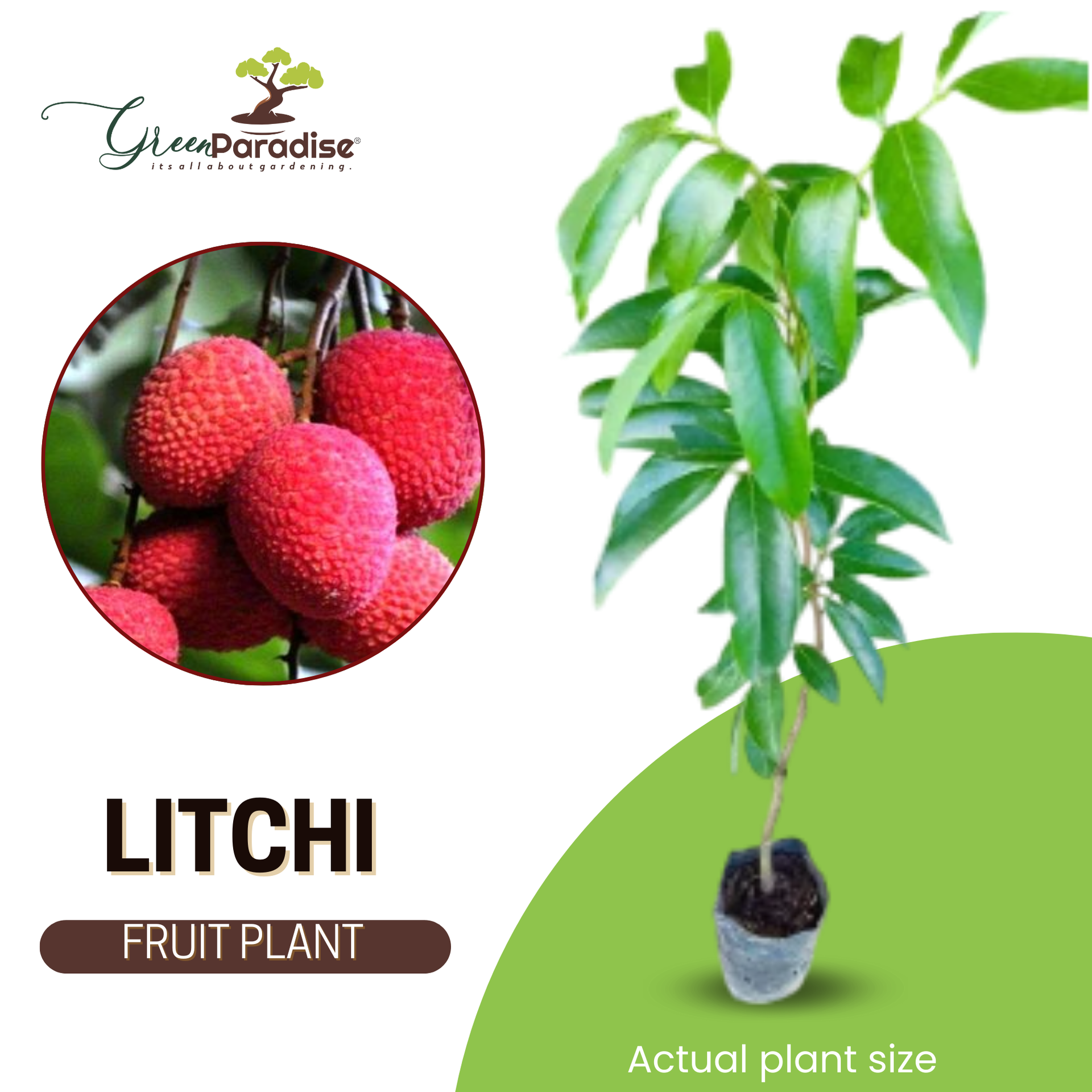
bonsai litchi tree live litchi Plant Suitable For bonsai – GreenParadiseLiveGreen Paradise Offers Beautiful Litchi Plant Green Paradise: Exploring the Delights of the Litchi Plant In the lush green lands of Green Paradise, a magical fruit bearing tree stands tall, enchanting all who encounter it with its delectable fruits and aromatic blossoms. This wonder of nature, known as the Litchi plant (Litchi chinensis), is a prized possession of the Green Paradise brand. In this article, we delve into the captivating world of the
Green Paradise Offers Beautiful Litchi
Plant
Green Paradise: Exploring the Delights of the Litchi Plant
In the lush green lands of Green Paradise, a magical fruit-bearing tree stands tall, enchanting all who encounter it with its delectable fruits and aromatic blossoms. This wonder of nature, known as the Litchi plant (Litchi chinensis), is a prized possession of the Green Paradise brand. In this article, we delve into the captivating world of the Litchi plant and explore the reasons why Green Paradise has chosen to share its bounty with the world.
The Litchi Plant: A Glimpse of Elegance
The Litchi plant, also commonly referred to as the Litchi tree or Litchi chinensis, is a tropical and subtropical fruit tree belonging to the Sapindaceae family. Originating in the Guangdong and Fujian provinces of China, this graceful evergreen tree is known for its dense foliage, glossy leaves, and stunning panicles of fragrant flowers. The Litchi plant has been cultivated for centuries, and its appeal has only grown with time.
The Allure of Luscious Litchi Fruits
The true essence of the Litchi plant lies in its fruits - small, round, and brimming with sweetness. Litchi fruits are renowned for their juicy, translucent flesh, which is encased in a reddish-brown, rough-textured rind. Once the rind is peeled away, a burst of succulent flavor awaits, making it a favorite among fruit enthusiasts.
Apart from their mouth-watering taste, Litchi fruits boast several health benefits. They are rich in vitamin C, potassium, and antioxidants, contributing to improved immunity and overall well-being. Incorporating Litchi fruits into one's diet can enhance skin health, aid in digestion, and promote heart health.
Eco-Friendly Packaging:
We are committed to preserving the environment. Your litchi plant will arrive at your doorstep in eco-friendly packaging, carefully designed to ensure its safe journey to your garden.
About Litchi Plant
The litchi plant, known scientifically as Litchi chinensis, is a tropical and subtropical fruit tree native to Southeast Asia. It belongs to the Sapindaceae family, which also includes longan and rambutan. Litchi is highly prized for its delicious and sweet, translucent white flesh that surrounds a single large seed.
Here are some key characteristics and information about the litchi plant:
Appearance:
- The litchi tree is an evergreen tree that can grow up to 30 to 40 feet (9 to 12 meters) in height.
- The leaves are glossy, dark green, and composed of several leaflets. In spring, the tree produces small, greenish-yellow flowers in clusters.
Fruit:
- The litchi fruit is round to oval-shaped, with a rough, bumpy, and reddish-pink skin when ripe.
- The skin is thin and inedible, and it easily peels off to reveal the juicy and aromatic white flesh inside.
- The flesh is translucent, similar to a grape, and has a delightful combination of sweet and slightly tart taste.
Cultivation:
- Litchi plants thrive in tropical and subtropical climates, typically in regions with warm summers and mild winters.
- They prefer well-drained, sandy, or loamy soil and are relatively drought-tolerant once established.
- The trees require regular watering, especially during flowering and fruiting seasons.
- They also benefit from full sun exposure.
Harvesting:
- Litchi fruits usually ripen during the summer months, though the exact timing depends on the specific variety and location.
- Ripe litchis are generally harvested by hand to ensure the delicate skin remains intact, preserving their freshness and market value.
Varieties:
- There are several litchi varieties cultivated worldwide, with variations in taste, size, and color of the fruit.
- Some popular varieties include Mauritius, Brewster, Emperor, and Hak Ip.
Nutritional Value:
- Litchi fruit is not only delicious but also nutritious.
- It is an excellent source of vitamin C, potassium, and copper.
- Additionally, it contains antioxidants, which can help neutralize harmful free radicals in the body.
Culinary Uses:
- Litchis are primarily eaten fresh and are often enjoyed as a refreshing snack.
- They are also used in various desserts, fruit salads, and beverages.
- In some cuisines, litchi is even used in savory dishes and sauces.
Health Benefits:
- Litchi consumption is associated with various health benefits due to its rich nutrient profile and antioxidants.
- Some potential benefits include supporting the immune system, promoting healthy skin, aiding digestion, and providing a good source of hydration.
As with any plant, care should be taken when consuming litchi, especially in large quantities, as some individuals may be sensitive to its components. Additionally, litchi is relatively high in natural sugars, so moderation is advised, especially for individuals with diabetes or blood sugar control issues.
Overall, the litchi plant is a delightful and valuable addition to tropical and subtropical gardens, not just for its aesthetic appeal but also for the delicious and nutritious fruits it produces.
How To Grow Litchi Plant
Growing a litchi (also spelled as lychee) plant can be a rewarding experience, as it produces delicious and exotic fruits. Litchi trees prefer a subtropical to tropical climate, and they can be grown outdoors in certain regions or indoors in containers.
Here's a general guide on how to grow a litchi plant:
Select the Right Location:
- Litchi plants thrive in full sunlight, so choose a location with at least 8 hours of direct sunlight each day.
- The site should also be sheltered from strong winds and frost.
Soil Preparation:
- Litchi plants prefer well-draining, slightly acidic to neutral soil.
- Earthy soil with good organic content is ideal. You can mix compost or well-rotted manure into the soil to improve its fertility and drainage.
Planting:
- The best time to plant litchi is in the spring or early summer when the plant is actively growing.
- If you are planting multiple trees, space them at least 30 to 40 feet apart to give them enough room to grow.
- Make a hole that is slightly shallower and twice as wide as the root ball.
- Place the Plant in the hole, backfill it with soil, and water thoroughly.
Watering:
- Litchi trees need consistent and deep watering, especially during the flowering and fruiting seasons.
- Young plants may require more frequent watering to establish their root system.
- However, be cautious not to overwater, as litchi trees are susceptible to root rot.
Fertilization:
- Feed your litchi plant with a balanced fertilizer containing nitrogen, phosphorus, and potassium.
- Apply the fertilizer during the growing season, from spring to fall, but avoid fertilizing during winter.
- Follow the manufacturer's instructions for the applicable lozenge.
Pruning:
- Pruning helps maintain the shape of the tree, removes dead or diseased branches, and encourages new growth.
- Prune your litchi tree during the dormant season (winter) to minimize stress on the plant.
- Also, remove any suckers that grow around the base of the tree.
Mulching:
- Mulching around the base of the litchi tree helps retain moisture, suppress weeds, and maintain a consistent soil temperature.
- Apply a 2-4 inch layer of organic mulch, such as wood chips or compost, leaving space around the trunk to avoid stem rot.
Pollination:
- Litchi trees are generally self-pollinating, but they tend to produce better fruit yields with cross-pollination from other litchi trees.
- If you have space, consider planting multiple trees to improve pollination.
Protection from Pests and Diseases:
- Follow the manufacturer's instructions for the applicable lozenge.
- Apply appropriate pesticides if necessary, but use them sparingly and as a last resort.
- Preventative measures, such as maintaining good hygiene and removing dead plant material, can help avoid pest and disease issues.
Harvesting:
- Litchi fruits are ready for harvest when their skin turns from green to red.
- They are delicate fruits, so handle them with care during harvest.
- Once picked, litchis can be stored in the refrigerator for a few days.
Remember that growing litchi trees requires patience, as they take several years to start bearing fruit. However, with proper care, you can enjoy the delicious and unique taste of fresh litchis from your own tree.
Shipping Notes
- Free Standard Shipping on $100+ Orders to the USA.
- Except Preorder products are shipped in 48 hours.
- Delivery to the USA:
- Standard Shipping : 3-10 business days
- If time is of the essence, please consider selecting expedited delivery for faster service.
Exchange/Return Notes
- We offer a 30-day return/exchange service after receiving.
- Final sale items are not eligible for returns or exchanges.
- To process your return/exchange, please contact us at [email protected]
- Please click here for more details>>> Return & Exchange Policy